Tinnitus: Why Are You Hearing Ringing in Your Ears? Causes, Diagnosis, and Treatment
Tinnitus is a symptom—not a disease. An ENT guide to ringing in the ears: causes, pulsatile tinnitus, diagnosis, treatment options, and when to seek care.

Many people experience ringing, buzzing, hissing, or whistling in their ears from time to time. For some, these sounds last only a few seconds. For others, they become a constant companion that interferes with sleep, concentration, work, and quality of life.
If you have ever wondered, “Why am I hearing a sound when everything around me is quiet?”, you are not alone.
This symptom is called tinnitus (pronounced TIN-ih-tus or tin-NY-tus), and it affects millions of people worldwide. Although tinnitus itself is usually not a disease, it is often a sign that something has changed within the hearing system.
The most important step is identifying the underlying cause, because tinnitus treatment depends on why it has developed.
This guide is written from clinical ENT practice at Dr Joel’s Clear ENT Clinic in Thiruvananthapuram, for patients searching for clear answers on ringing in the ears, tinnitus causes, and when to see a specialist.
What is tinnitus?
Tinnitus is the perception of sound without an external source. In other words, you hear a sound that other people cannot hear.
Patients describe tinnitus in many ways:
- Ringing
- Buzzing
- Hissing
- Roaring
- Whistling
- Clicking
- Pulsing
- Humming
The sound may occur:
- In one ear
- In both ears
- Inside the head
- Constantly
- Intermittently
Some people barely notice it, while others find it extremely distressing.

Is tinnitus a disease?
No. Tinnitus is a symptom, not a diagnosis.
Just as fever can have many different causes, tinnitus can result from numerous conditions affecting the ears, hearing nerve, or the brain’s auditory pathways.
The goal of an ENT evaluation is not simply to “treat the ringing,” but to determine why it is happening.
Why does tinnitus occur?
The exact mechanism is complex and varies depending on the cause.
In many patients, damage to the delicate hair cells within the cochlea reduces normal sound signals reaching the brain. The brain may compensate by increasing activity in the hearing pathways, creating the perception of sound even in silence.
Think of it like a radio searching for a weak station—the brain “turns up the volume,” and unwanted internal sounds become noticeable.

What does tinnitus sound like?
Not everyone experiences the same type of tinnitus.
Common descriptions include:
- High-pitched ringing
- Low humming
- Buzzing like insects
- Hissing similar to escaping steam
- Whistling
- Electrical sounds
- Clicking
- Pulsing in rhythm with the heartbeat
The type of sound sometimes provides clues to the underlying cause—especially when it is pulsatile (heartbeat-synchronous).
Common causes of tinnitus
Hearing loss
The most common cause of tinnitus is hearing loss, especially age-related or noise-induced hearing loss.
Many patients notice ringing before they become aware that their hearing has declined. For this reason, every patient with persistent tinnitus should undergo a hearing assessment.
Read more: Hearing loss: causes, symptoms, types, and modern treatment.
Noise exposure
Repeated exposure to loud sounds damages the delicate hair cells of the inner ear.
Examples include:
- Loud music
- Factory machinery
- Firecrackers
- Construction equipment
- Personal headphones at excessive volume
Noise damage is often permanent but largely preventable with hearing protection and safer listening habits.
Ear wax
A blocked ear due to wax can sometimes produce tinnitus. Fortunately, this is one of the simplest causes to treat.
Patients should never attempt to remove wax using cotton buds, hairpins, ear candles, or sharp objects—these methods often worsen the problem.
See: Ear wax: what’s normal and when removal helps.
Ear infections
Middle ear or outer ear infections may temporarily produce ringing, ear fullness, and reduced hearing. Symptoms usually improve once the infection is treated. Related reading: ear pain (otalgia).
Ménière’s disease
Ménière’s disease often causes the classic combination of:
- Vertigo
- Fluctuating hearing loss
- Ear fullness
- Tinnitus
Unlike simple tinnitus, attacks usually occur in episodes. See our guides on vertigo causes and treatment and vertigo care in Thiruvananthapuram.
Certain medications
Some medicines can affect hearing or trigger tinnitus, particularly at higher doses. These can include certain antibiotics, chemotherapy drugs, diuretics, high-dose aspirin, and other ototoxic medications.
Patients should never stop prescribed medications without consulting their treating doctor—but new ringing or hearing change should be reported promptly.
Jaw (TMJ) disorders
Problems affecting the jaw joint can occasionally contribute to tinnitus, particularly when associated with jaw pain or clicking.
Stress and anxiety
Stress does not usually cause tinnitus, but it can make existing tinnitus significantly more noticeable. Persistent tinnitus can also increase anxiety, creating a cycle where each worsens the other.
Pulsatile tinnitus: a different kind of tinnitus
Most tinnitus is continuous and unrelated to the heartbeat.
However, some patients hear a rhythmic sound that matches their pulse. This is called pulsatile tinnitus.
Possible causes include:
- Increased blood flow
- Blood vessel abnormalities
- High blood pressure
- Certain vascular conditions
Unlike common tinnitus, pulsatile tinnitus often requires further evaluation because it may occasionally indicate an underlying vascular disorder.
Is tinnitus dangerous?
Most tinnitus is not dangerous.
However, certain situations require prompt medical assessment. Seek urgent evaluation if tinnitus is associated with:
- Sudden hearing loss
- Severe vertigo
- Facial weakness
- Persistent ear discharge
- Significant neurological symptoms
Similarly, new unilateral (one-sided) tinnitus, especially when accompanied by hearing loss, should always be assessed by an ENT specialist.
How is tinnitus evaluated?
Diagnosis begins with a detailed medical history.
Important questions include:
- When did it begin?
- One ear or both?
- Constant or intermittent?
- Associated hearing loss?
- Associated dizziness?
- Exposure to loud noise?
- Current medications?
An ENT examination is followed by appropriate investigations.
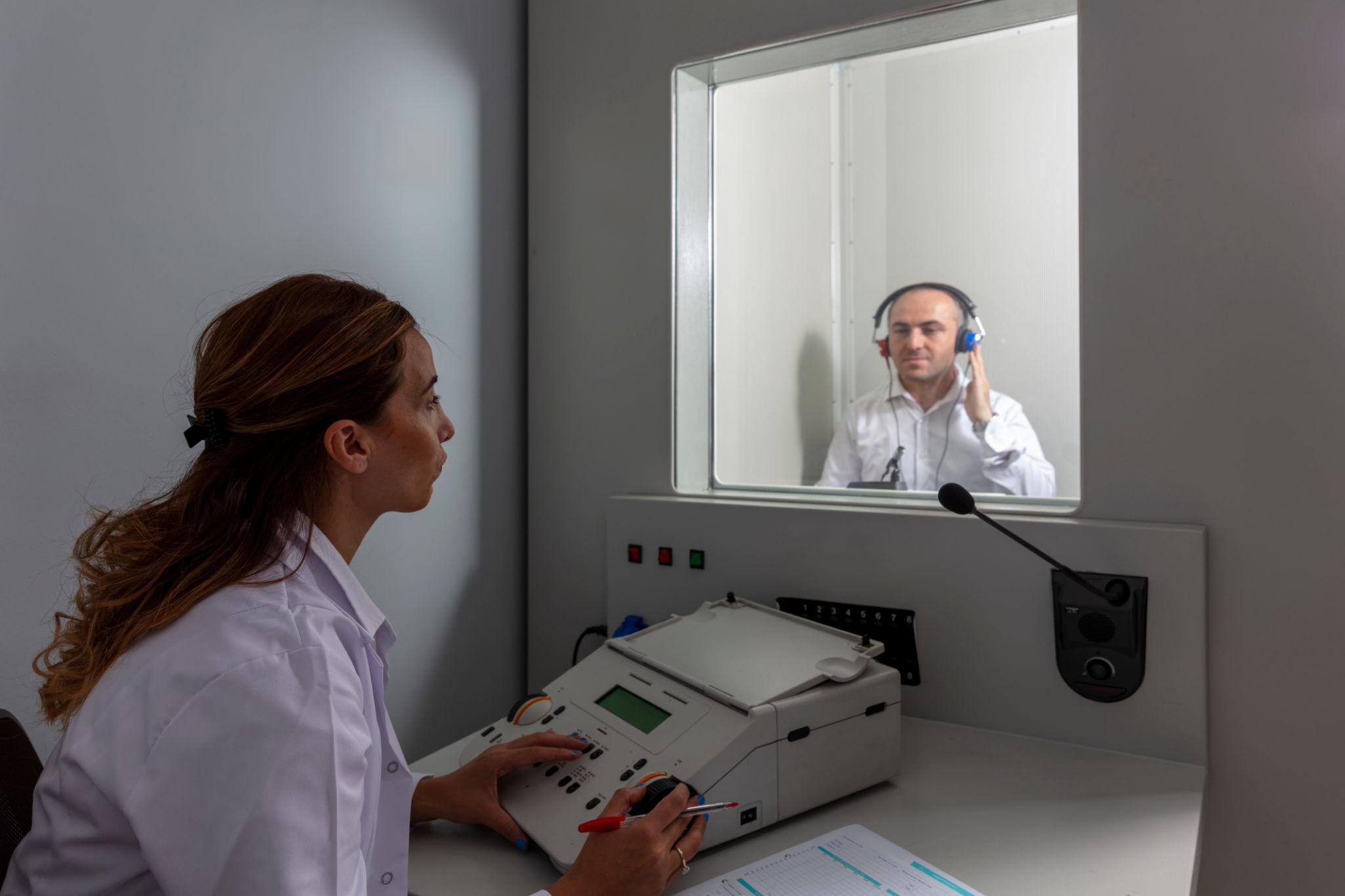
Hearing test (audiometry)
A hearing test is one of the most important investigations because tinnitus frequently accompanies hearing loss. Even patients who believe their hearing is normal may have subtle abnormalities.

Additional tests
Depending on the clinical situation, your ENT specialist may recommend:
- Tympanometry
- Imaging (MRI or CT in selected cases)
- Blood tests when indicated
Most patients do not require extensive investigations. Testing is individualised based on symptoms and examination findings—scans are not automatic for every case of ringing.
Can tinnitus be cured?
This is one of the most common questions patients ask. The answer depends on the underlying cause.
Some causes are reversible, including:
- Ear wax
- Ear infections
- Certain middle ear conditions
When tinnitus is associated with permanent inner ear hearing loss, treatment focuses on reducing its impact rather than eliminating the sound completely. Many patients experience significant improvement with appropriate management.
Treatment options
Treatment is tailored to the individual patient.
Treat the underlying cause
Whenever possible, the primary condition should be addressed—for example removing impacted ear wax, treating infections, managing Ménière’s disease, or reviewing medications when appropriate.
Hearing aids
For patients with hearing loss, hearing aids often reduce tinnitus awareness by improving external sound input. Many patients notice that the ringing becomes much less intrusive once hearing is improved. See hearing loss treatment options.
Sound therapy
Complete silence often makes tinnitus more noticeable. Background sounds such as soft music, nature sounds, or white noise may reduce awareness, especially at bedtime.
Tinnitus retraining therapy (TRT)
Some patients benefit from structured programmes combining sound therapy, counselling, and habituation techniques. The goal is not always to eliminate tinnitus, but to help the brain gradually pay less attention to it.
Cognitive behavioural therapy (CBT)
CBT does not remove the sound itself, but it has strong evidence for reducing the distress, anxiety, and sleep disturbance associated with chronic tinnitus. For patients whose tinnitus significantly affects quality of life, CBT can be an important part of treatment.
Lifestyle measures
Helpful strategies include:
- Adequate sleep
- Stress management
- Regular exercise
- Avoiding excessive noise exposure
- Managing blood pressure and other health conditions
What should you avoid?
Many products claim to “cure tinnitus.” Unfortunately, there is no scientifically proven miracle cure.
Be cautious about:
- Herbal supplements making unrealistic claims
- Expensive “tinnitus cures”
- Unproven alternative therapies
- Online advertisements promising permanent relief
Always discuss persistent tinnitus with an ENT specialist before trying new treatments.
Common mistakes seen in Kerala
In everyday practice, patients often:
- Ignore tinnitus because hearing seems “normal”
- Assume ringing is a normal part of aging
- Use ear drops without examination
- Keep cleaning their ears with cotton buds
- Delay evaluation of one-sided tinnitus
- Spend large amounts on unproven supplements or home remedies advertised online
Early evaluation helps identify treatable causes and provides reassurance when serious conditions have been excluded.
Living with tinnitus
Many patients fear that tinnitus will continue to worsen indefinitely. Fortunately, this is not always the case.
The brain often adapts to tinnitus over time—a process known as habituation. As patients become less focused on the sound, it gradually becomes less intrusive in daily life.
With appropriate treatment, counselling, and management of contributing factors, many people learn to live comfortably despite persistent tinnitus.
When should you see an ENT specialist?
Arrange an ENT consultation if you have:
- Persistent tinnitus lasting more than a few weeks
- Tinnitus in only one ear
- Tinnitus associated with hearing loss
- Pulsatile tinnitus
- Tinnitus with vertigo
- Sudden onset of ringing with hearing changes
- Tinnitus interfering with sleep or daily activities
For broader ENT warning signs, see when to see an ENT specialist. If dizziness is part of the picture, also consider vestibular migraine as a possible related discussion with your doctor.
Frequently asked questions
Is tinnitus permanent?
Not always. Some causes are temporary, while others may persist long term. The prognosis depends on the underlying condition.
Can ear wax cause ringing?
Yes. Impacted ear wax can sometimes cause tinnitus, hearing loss, or a feeling of ear blockage.
Does tinnitus mean I am losing my hearing?
Not necessarily, but tinnitus is commonly associated with hearing loss. A hearing test is usually recommended.
Can stress cause tinnitus?
Stress rarely causes tinnitus by itself, but it can make existing tinnitus more noticeable and bothersome.
Is tinnitus a sign of a brain tumour?
This is uncommon. However, persistent one-sided tinnitus, especially when associated with hearing loss or neurological symptoms, should be evaluated to exclude uncommon but important conditions.
Is pulsatile tinnitus different from ordinary ringing?
Yes. Pulsatile tinnitus matches the pulse and may need further evaluation for vascular or blood-flow related causes.
Key takeaway
Tinnitus is a symptom—not a disease—and in most cases it is not dangerous. However, it should never be ignored, particularly if it is persistent, affects only one ear, or is associated with hearing loss, vertigo, or pulsatile sounds.
A careful evaluation by an ENT specialist can identify treatable causes, provide reassurance, and guide evidence-based management. While there is no universal cure for tinnitus, many patients achieve significant improvement through treating the underlying cause, hearing rehabilitation, sound therapy, and counselling.
This article is for education and is not a substitute for personal medical advice. Seek urgent care if tinnitus begins suddenly with hearing loss or neurological symptoms.