Hearing Loss: Causes, Symptoms, Types, and Modern Treatment (ENT Specialist Guide)
Hearing loss is common—and often treatable. An ENT guide to types, symptoms, sudden hearing loss, diagnosis, hearing aids, and when to seek care in Thiruvananthapuram.
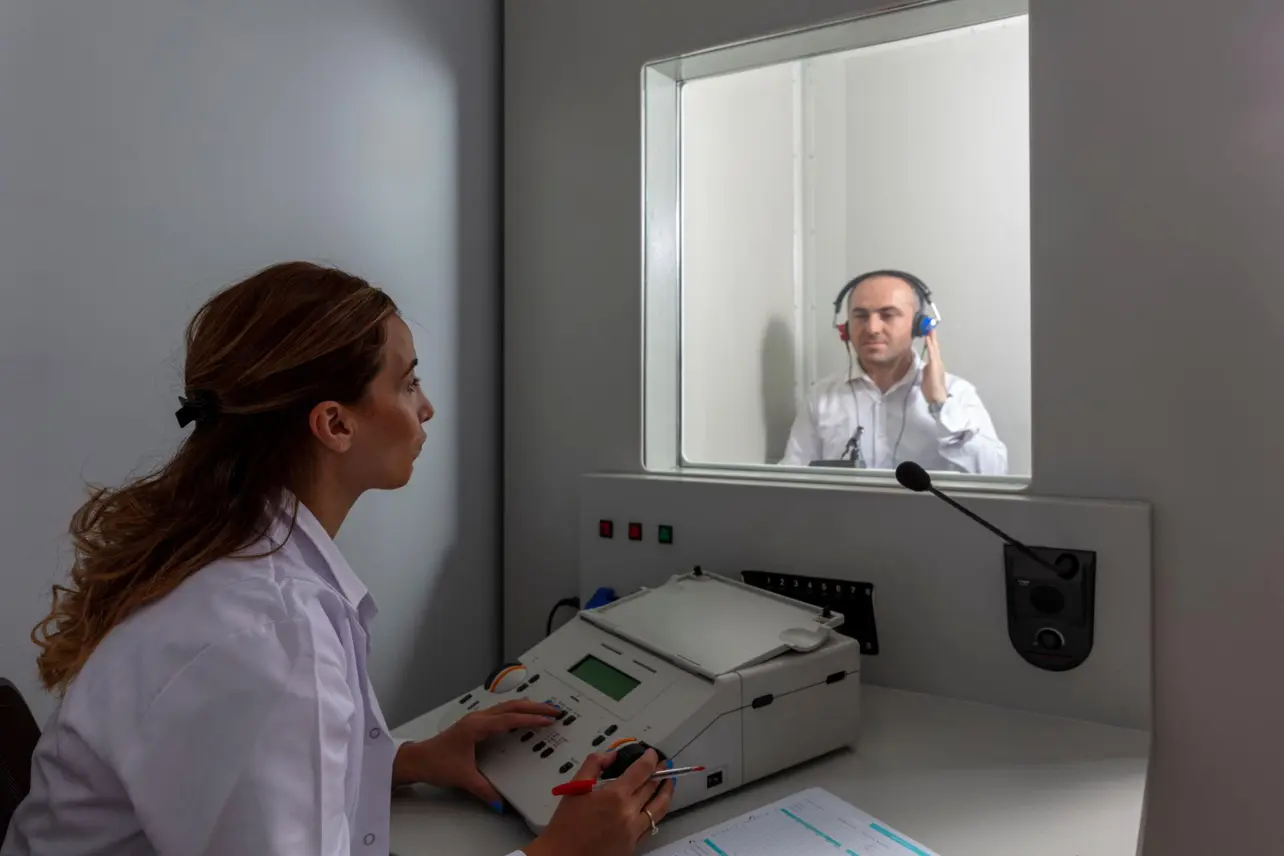
Hearing loss is one of the most common health problems worldwide, yet many people treat it as a normal part of aging and delay seeking help. Others struggle for years—asking family to repeat themselves, turning up the television, or avoiding social gatherings—without realising that hearing can often be improved.
The good news is that many causes of hearing loss are treatable. Even when hearing cannot be fully restored, modern treatments and hearing rehabilitation can dramatically improve communication and quality of life.
Early diagnosis matters. The longer hearing loss goes untreated, the greater its impact on speech understanding, memory, social interaction, and overall health.
This guide is written from clinical ENT practice at Dr Joel’s Clear ENT Clinic in Thiruvananthapuram, for patients and families searching for clear answers on hearing loss symptoms, causes of hearing loss, and hearing loss treatment.
What is hearing loss?
Hearing loss is a reduction in the ability to hear sounds normally. It may affect:
- One ear or both ears
- High-pitched sounds, low-pitched sounds, or all frequencies
- Speech clarity
- The ability to hear in noisy environments
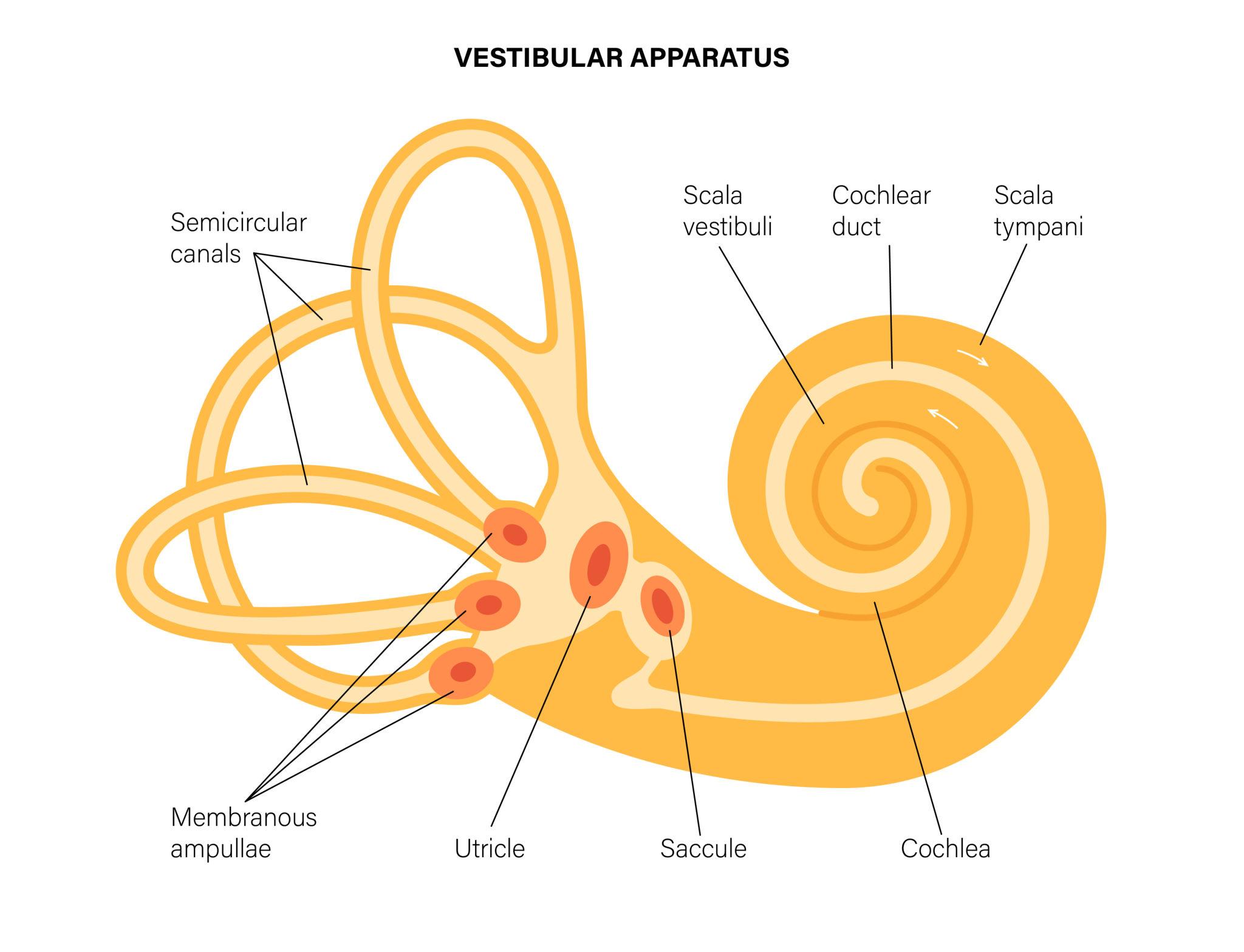
Hearing is a complex process involving:
- The outer ear collecting sound
- The eardrum vibrating
- Tiny middle ear bones transmitting sound
- The cochlea (inner ear) converting sound into nerve signals
- The brain interpreting these signals as meaningful sound
A problem anywhere along this pathway can result in hearing loss.
How common is hearing loss?
Hearing loss affects people of all ages—not just older adults. It may occur because of:
- Ear infections
- Wax blockage
- Noise exposure
- Aging
- Genetic conditions
- Certain medications
- Inner ear disorders
Children, working adults, and young people exposed to loud music are increasingly affected. For infants, early detection is especially important—see our guide to newborn hearing screening.
Types of hearing loss
Understanding the type of hearing loss is essential because treatment depends on the cause.
1. Conductive hearing loss
Conductive hearing loss occurs when sound cannot efficiently reach the inner ear.
Common causes include:
- Ear wax blockage
- Ear infections
- Fluid behind the eardrum
- Eardrum perforation
- Otosclerosis
- Foreign body in the ear
Good news: Many causes of conductive hearing loss are completely treatable—often with wax removal, medication, or ear surgery when indicated.
2. Sensorineural hearing loss
Sensorineural hearing loss results from damage to:
- Inner ear hair cells
- The hearing nerve
- Central hearing pathways
Common causes include:
- Aging (presbycusis)
- Noise exposure
- Viral infections
- Ménière’s disease
- Genetic disorders
- Certain medications (ototoxicity)
Sensorineural hearing loss is the most common permanent type. It often cannot be “reversed,” but it can usually be rehabilitated.
3. Mixed hearing loss
Some patients have both conductive and sensorineural components. For example, an older adult with age-related hearing loss who also develops ear wax or a middle ear infection may notice a sudden further drop that improves once the reversible part is treated.
Common symptoms of hearing loss
Many people do not notice hearing loss immediately because it usually develops gradually.
Common hearing loss symptoms include:
- Asking others to repeat themselves
- Difficulty hearing conversations in noisy places
- Increasing television or phone volume
- Frequently misunderstanding words
- Feeling that others are mumbling
- Missing doorbells or phone rings
- Difficulty understanding children’s voices (often higher-pitched)
Some patients notice hearing loss only when family members point it out.
Signs that family members often notice first
Loved ones may observe:
- Very loud television volume
- Repeatedly saying “What?”
- Difficulty following conversations
- Social withdrawal
- Avoiding phone calls
- Responding inappropriately because words were misheard
Family members often recognise hearing loss before the patient does. If relatives keep commenting on your hearing, take that seriously—it is often the earliest useful warning.
Sudden hearing loss: a medical emergency
Sudden hearing loss is different from gradual hearing decline.
If hearing suddenly decreases over hours or a day, treat it as an emergency.
Symptoms may include:
- Sudden blocked-ear sensation
- Rapid hearing reduction
- Ringing in the ear (tinnitus)
- Vertigo in some cases
Early treatment offers the best chance of recovery. Do not assume it is simply ear wax or a minor infection without proper examination.
If sudden hearing loss comes with spinning vertigo, also read our guides on vertigo causes and treatment and vertigo care in Thiruvananthapuram.
Common causes of hearing loss
Ear wax
One of the simplest and most treatable causes. Never attempt to remove wax using cotton buds, hairpins, keys, or ear candles—these often push wax deeper or injure the ear.
For safe care, see ear wax: what’s normal and when removal helps.

Ear infections
Both children and adults can develop hearing loss during ear infections because sound transmission becomes impaired. Most improve once the infection is treated. Persistent or recurrent infections need ENT assessment—see also ear pain (otalgia).
Age-related hearing loss (presbycusis)
Gradual degeneration of inner ear hair cells causes progressive hearing loss with age.
Typical features include:
- Difficulty understanding speech
- Trouble hearing women’s and children’s voices
- Problems in restaurants and crowded environments
Noise-induced hearing loss
Repeated exposure to loud sounds damages delicate inner ear hair cells.
Common sources include:
- Factory machinery
- Firecrackers
- Loud concerts
- Personal music players at high volume
- Power tools
Unlike temporary hearing fatigue after a noisy event, permanent noise damage cannot be reversed—so prevention (hearing protection, safer volume limits) matters.
Image suggestion: Infographic of safe listening levels and common Kerala noise sources (firecrackers, temple festivals, earphones, workplace noise).
Ménière’s disease
May cause fluctuating hearing loss along with vertigo, ear fullness, and tinnitus. Related reading: understanding vertigo in depth.
Ototoxic medications
Certain medications can damage hearing or balance. Risk depends on drug type, dose, duration, and individual susceptibility.
Patients should never stop prescribed medication without consulting their doctor—but any new hearing symptoms should be reported promptly.
Tinnitus and hearing loss
Many patients with hearing loss also experience tinnitus—described as ringing, buzzing, hissing, or whistling. Tinnitus is often a symptom rather than a disease itself, and it commonly improves when the underlying hearing problem is addressed.
How is hearing loss diagnosed?
Diagnosis begins with a detailed history and examination.
An ENT specialist may perform:
- Otoscopic examination
- Microscopic ear examination
- Tuning fork tests
Further evaluation often includes:
- Pure tone audiometry (hearing test)
- Speech audiometry
- Tympanometry
- Otoacoustic emissions (especially in children)
- Imaging in selected cases

The goal is not only to measure hearing but to identify why hearing has been affected—so treatment can be targeted rather than guessed.

Can hearing loss be treated?
Hearing loss treatment depends entirely on the cause.
Conductive hearing loss
May be treated with:
- Ear wax removal
- Medications
- Ear surgery when indicated
- Tympanoplasty (eardrum repair)
- Stapedotomy for selected patients with otosclerosis
Sensorineural hearing loss
Damaged inner ear hair cells usually cannot be regenerated, but hearing can often be significantly improved with:
- Hearing aids
- Cochlear implants (for severe-to-profound cases that do not benefit enough from hearing aids)
- Auditory rehabilitation
Sudden sensorineural hearing loss
Requires urgent evaluation and early treatment. Delay can reduce the chance of recovery.
Modern hearing aids: dispelling common myths
Today’s hearing aids are very different from older devices.
Modern digital hearing aids:
- Are much smaller and more discreet
- Reduce background noise better than older models
- Improve speech clarity
- Connect to smartphones
- Can be individually programmed to your audiogram
Many patients regret waiting years before trying them. Cheap “amplifiers” sold without a proper hearing test often amplify noise as much as speech and are a poor substitute for prescription hearing aids.
Can hearing loss affect brain health?
Research has shown that untreated hearing loss is associated with:
- Social isolation
- Depression
- Reduced quality of life
- Increased cognitive load (the brain works harder to decode speech)
- Higher risk of cognitive decline and dementia
Although hearing loss does not directly cause dementia, restoring hearing and maintaining communication are considered important components of healthy aging.
Hearing loss in children
Early hearing is essential for speech and language development.
Warning signs include:
- Delayed speech
- Not responding to sounds
- Increasing television volume
- Poor school performance
- Recurrent ear infections
Early diagnosis can significantly improve long-term outcomes. Parents should also know about newborn hearing screening and follow-up if a baby “refers” on screening or later shows speech delay.

Common mistakes seen in Kerala
In clinical practice, many patients delay treatment because they:
- Assume hearing loss is “just old age”
- Continue cleaning ears with cotton buds
- Use coconut oil or unprescribed ear drops
- Purchase hearing amplifiers instead of proper hearing aids
- Ignore one-sided hearing loss
- Delay evaluation for sudden hearing loss
Another common mistake is asking a pharmacist for ear drops without knowing the underlying cause. Not every hearing problem originates in the ear canal, and inappropriate ear drops can be harmful—especially if the eardrum is perforated.
These habits are understandable—home remedies and pharmacy advice are deeply familiar in Kerala—but they can delay the right diagnosis. A short ENT visit often settles what months of self-treatment cannot.
When should you see an ENT specialist?
Seek evaluation if you have:
- Hearing loss in one or both ears
- Sudden hearing loss
- Persistent tinnitus
- Ear discharge
- Recurrent ear infections
- Vertigo with hearing changes
- Difficulty understanding conversations
- Family members noticing your hearing has declined
Early diagnosis often provides more treatment options. For broader warning signs across ear, nose, and throat, see when to see an ENT specialist.
Frequently asked questions
Is hearing loss a normal part of aging?
Age-related hearing loss is common, but it should never be ignored. Many patients benefit greatly from evaluation and treatment.
Can hearing loss be reversed?
Some types, such as wax blockage or middle ear disease, are often reversible. Permanent inner ear hearing loss usually cannot be reversed but can often be effectively rehabilitated.
Are hearing aids only for severe hearing loss?
No. Many people benefit from hearing aids long before hearing loss becomes severe.
Is sudden hearing loss an emergency?
Yes. Sudden hearing loss requires urgent medical evaluation, ideally within the first few days.
Can using cotton buds damage hearing?
Yes. Cotton buds can push wax deeper, injure the ear canal, or even perforate the eardrum.
Does untreated hearing loss affect the brain?
Untreated hearing loss is linked with social isolation, depression, and higher cognitive load. Restoring communication is an important part of healthy aging—even though hearing loss does not directly “cause” dementia.
Key takeaway
Hearing loss is not simply an inconvenience—it affects communication, relationships, work performance, and overall health. Many causes are treatable, and modern hearing rehabilitation can dramatically improve quality of life.
If you or your family notice changes in hearing, do not wait until conversation becomes difficult. Early assessment by an ENT specialist for hearing loss offers the best opportunity to identify the cause and recommend the most appropriate treatment.
This article is for education and is not a substitute for personal medical advice. If you have sudden hearing loss, seek urgent care without delay.