ENT specialist (Otolaryngologist): what they treat and when to see an ENT doctor
Blocked nose that never clears, recurring ‘sinus’ symptoms, ear pain, hearing loss, dizziness, hoarseness, or loud snoring—these are the everyday signs that an ENT specialist (otolaryngologist) should evaluate. A practical, Kerala-relevant guide to what ENT doctors treat and when to consult early.

If you’ve had a blocked nose for “months”, a throat discomfort that keeps returning, a sense that one ear is always “closed”, or dizziness that makes you avoid travel—there’s a common reason people stay stuck: they treat symptoms as if they are temporary, when the underlying problem has become persistent.
In Kerala, many patients try a cycle that feels sensible at the time:
- A few days of steam inhalation and over-the-counter tablets
- Then antibiotics from a pharmacy “just in case”
- Then another course when symptoms recur
- And only later—after weeks or years—an ENT consultation
In clinic, this is often where we finally identify what the symptom actually represents: chronic sinusitis rather than “allergy”, migraine rather than “sinus headache”, inner-ear vertigo rather than “gas trouble”, or hearing loss that was silently progressing.
This article is written in the style of our patient-focused ENT guides at Dr Joel’s Clear ENT Clinic in Thiruvananthapuram (Trivandrum). It explains what an ENT specialist (otolaryngologist) does, what conditions ENT doctors commonly treat, and a practical checklist for when to see an ENT doctor—without fear-mongering, unnecessary scans, or generic medical encyclopaedia language.

What is an ENT specialist (otolaryngologist)?
ENT stands for Ear, Nose and Throat. The formal medical term is otolaryngologist (often written as ENT surgeon/ENT specialist).
ENT specialists diagnose and treat conditions involving:
- Ears: hearing, infections, ear drum issues, tinnitus, balance (inner ear)
- Nose and sinuses: nasal blockage, allergy, sinusitis, polyps, deviated septum
- Throat and voice: recurrent sore throat, tonsils, swallowing issues, voice change
- Voice box (larynx) and airway-related symptoms
- Head and neck region: neck lumps, thyroid and salivary glands, and selected tumours
ENT care includes:
- Medical treatment (targeted medications, allergy and reflux management, prevention strategies)
- Procedures and surgery when indicated (for example, endoscopic sinus surgery, tonsil surgery, ear procedures, and head-and-neck surgeries)
The goal of an ENT consultation is not “more medication” by default—it is accurate diagnosis. Once the diagnosis is correct, treatment becomes simpler, safer, and more predictable.
Conditions ENT specialists commonly treat (what patients actually feel)
Patients don’t usually come saying, “I have Eustachian tube dysfunction.” They say:
- “My ear feels blocked.”
- “I keep clearing my throat.”
- “I can’t smell properly.”
- “I feel dizzy when I turn in bed.”
- “My family says I snore loudly.”
Below is a practical, symptom-led guide to the conditions ENT specialists treat most often.
1) Ear conditions
Hearing loss (gradual or sudden)
Hearing loss is often gradual—people adjust without realising it. Signs include:
- Difficulty hearing conversations in noise
- Turning up TV volume
- Frequently asking others to repeat
- Children not responding consistently, or struggling at school
One Kerala-specific reality: elderly patients often delay hearing assessment for years, assuming it’s “normal ageing”. Some hearing loss is age-related, yes—but a test can identify treatable causes and guide practical management early.

Tinnitus (ringing/buzzing sounds)
Tinnitus can sound like ringing, buzzing, hissing, or a “motor” noise. It’s a symptom, not a diagnosis, and is often linked to hearing loss or noise exposure. It deserves evaluation when it is:
- Persistent or worsening
- One-sided
- Associated with hearing change, dizziness, or ear fullness
Ear infections and ear pain
Ear pain is common—but not always due to infection. It may be:
- Outer ear infection (painful, worse when pulling the ear)
- Middle ear infection (often with fever, blocked ear)
- Wax impaction (fullness, reduced hearing)
- Referred pain from throat, teeth, or jaw joint (TMJ)
If you are prone to repeated ear pain, a focused ENT exam is far more useful than repeated “ear drops without a diagnosis”.
Related reading:
- Ear pain (otalgia): causes, symptoms, and when to see an ENT
- Ear wax removal: when it helps and what to avoid
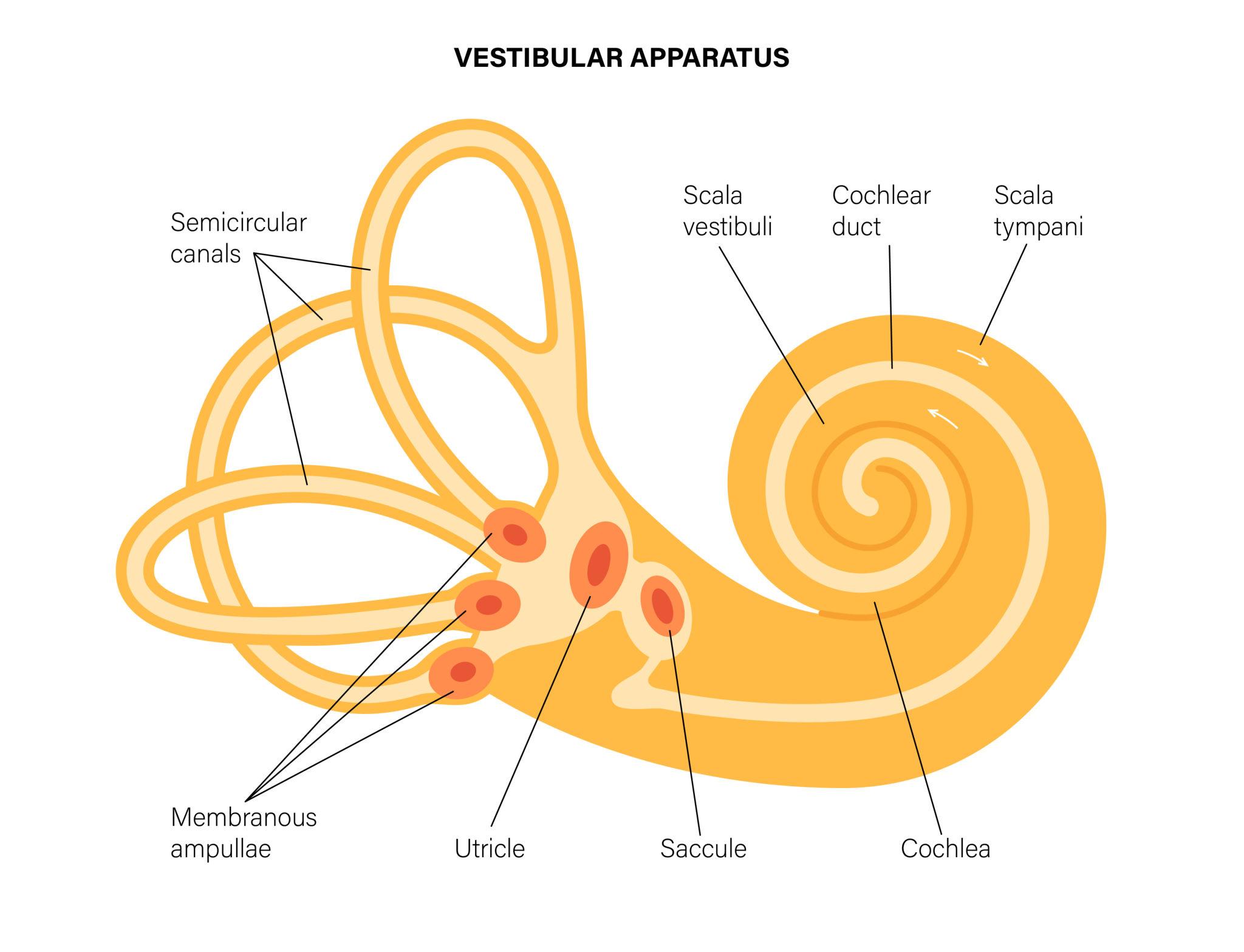
Vertigo and balance disorders (inner ear causes)
True vertigo is the false sensation of spinning or movement. ENT-related vertigo is common and treatable, especially when due to BPPV (benign paroxysmal positional vertigo).
In Kerala, dizziness is frequently blamed on weakness, BP, or “gas trouble”. Those can coexist—but when vertigo is triggered by head position (turning in bed, looking up), an inner ear cause is very likely.
Related reading:
Eustachian tube dysfunction (“blocked ear” feeling)
Patients describe:
- Ear fullness or pressure
- Crackling sounds
- Hearing fluctuations, especially during colds or flights
It can be linked to nasal allergy, sinus inflammation, or middle-ear pressure issues. Treating the nose can sometimes treat the ear—this is one reason ENT considers the entire connected system rather than one isolated symptom.
2) Nose and sinus conditions
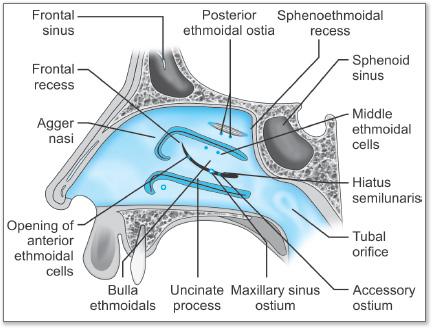
Chronic sinusitis and “postnasal drip”
Common symptoms:
- Persistent nasal blockage
- Thick nasal discharge
- Facial pressure/heaviness
- Frequent throat clearing and postnasal drip
- Reduced smell
Clinical insight: many patients take repeated antibiotics for “sinus”, yet symptoms return. Often, the issue is chronic inflammation, not an acute infection—so the treatment needs to target swelling and drainage, not just “kill germs”.
Related reading:
Allergy (allergic rhinitis)
Allergy symptoms overlap with sinusitis:
- Sneezing, itching, watery nose
- Nasal blockage
- Postnasal drip and throat irritation
But persistent blockage despite allergy treatment should prompt evaluation for other causes—especially in patients who say, “I have allergy all year.”
Nasal polyps (often mistaken for “allergy”)
Polyps are benign swellings of the nasal/sinus lining. Patients may report:
- Long-standing nasal blockage
- Reduced smell (sometimes a key clue)
- Recurrent sinus symptoms
Clinical insight: “I’ve had allergy for years” sometimes turns out to be polyps on endoscopy—an important shift because management changes.
Deviated nasal septum and structural blockage
Not all blockage is inflammation. Structural issues can create one-sided or persistent blockage. An ENT exam can clarify whether the problem is:
- Swelling from allergy/sinusitis
- Polyps
- Septal deviation
- Turbinate enlargement
“Sinus headache” vs migraine
One of the most important distinctions in practice: many headaches called “sinus” are actually migraine, which can produce facial pressure and nasal symptoms.
Related reading:
3) Throat and voice problems
Recurrent sore throat and tonsillitis
Sore throat is common. It becomes an ENT issue when it is:
- Recurrent (frequent infections affecting school/work)
- Persistent beyond 1–2 weeks
- One-sided or associated with a neck lump
Related reading:
Swallowing difficulty (dysphagia)
Patients describe:
- Food “sticking” in the throat
- Pain on swallowing
- Choking episodes
This should not be brushed off, especially if progressive. Most causes are benign (reflux, inflammation), but the purpose of evaluation is to rule out serious causes early.
Hoarseness and voice fatigue
Voice change lasting more than 2–3 weeks needs assessment. Common causes include:
- Viral laryngitis
- Reflux-related irritation
- Vocal strain (teachers, singers)
- Vocal cord nodules/polyps
Rarely, persistent hoarseness can be due to early lesions that should not be missed. The best way to evaluate voice change is direct visual examination (laryngoscopy).

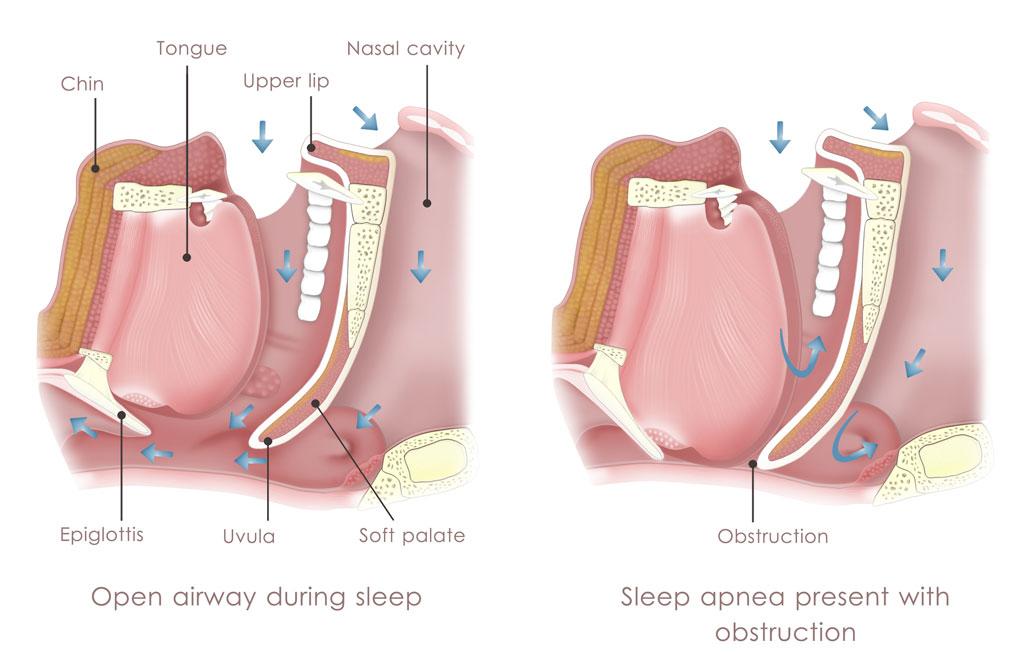
4) Sleep disorders (snoring and obstructive sleep apnea)
Snoring is often normalised in families: “He snores, that’s it.” But ENT specialists get concerned when snoring is paired with:
- Breathing pauses during sleep
- Gasping/choking episodes
- Unrefreshing sleep
- Daytime sleepiness, morning headaches
Obstructive sleep apnea (OSA) is not just a sleep issue—it raises long-term risks like hypertension and cardiovascular disease. ENT evaluation focuses on where the airway is narrowing (nose, soft palate, tonsils, tongue base) and what practical next steps make sense.
Related reading:
5) Head and neck conditions
Neck swellings and lumps
A neck lump can be due to infection or benign causes, but it deserves evaluation when it is:
- Persisting beyond 2–3 weeks
- Growing
- Hard/fixed, or associated with weight loss, persistent fever, or voice/swallowing symptoms
Salivary gland problems
Symptoms can include swelling near the jaw/cheek, pain during meals, or recurrent swelling. ENT evaluation helps identify whether it’s infection, stones, or other gland disorders.
Thyroid and selected tumours
ENT specialists often evaluate thyroid nodules and manage head-and-neck tumours as part of a multidisciplinary team. These conditions are less common than sinusitis or ear infections—but they are precisely why “don’t ignore persistent symptoms” is not just a slogan.
ENT specialists work with other experts (multidisciplinary care)
ENT problems overlap with other systems. Collaboration improves safety and outcomes, especially in complex cases.
- Audiologists: hearing assessment (audiometry), hearing aids, rehabilitation
- Neurologists / neurosurgeons: selected dizziness disorders, facial pain patterns, skull base problems
- Oncologists: head-and-neck cancers (when diagnosed)
- Speech and swallow therapists: voice therapy, swallowing rehabilitation
- Sleep specialists: sleep studies and CPAP management for sleep apnea
- Plastic & reconstructive surgeons: trauma reconstruction and selected post-cancer reconstructions
The benefit for patients is simple: one symptom can have multiple causes, and multidisciplinary care ensures the diagnosis is not narrowed too early.

Kerala/India patient behaviour layer (respectful, practical realities)
Some behaviours are common locally—and understandable—but they can delay diagnosis:
- Self-medication from pharmacies for recurring throat/sinus symptoms
- Repeated antibiotics for congestion that is actually inflammation/allergy
- Steam inhalation used excessively, sometimes with burns in children
- Coconut oil or random drops in the ear without examination
- Ignoring snoring as “normal” even when sleep quality is poor
- Delaying hearing tests until family communication becomes difficult
The aim is not to shame patients—many try what is available and affordable. The practical recommendation is this: when symptoms persist or recur, the best “next step” is usually not a new medicine, but a better diagnosis.
When should you see an ENT specialist? (practical checklist)
Consider an ENT consultation when you have:
- Symptoms lasting more than 7–10 days without clear improvement
- Recurrent infections (ear, throat, sinus) affecting quality of life
- Persistent nasal blockage or thick discharge
- Facial pressure with ongoing nasal symptoms
- Reduced smell (especially if persistent)
- Hearing changes, ringing (tinnitus), blocked-ear sensation
- Dizziness/vertigo, especially positional spinning
- Hoarseness lasting more than 2–3 weeks
- Swallowing difficulty or repeated choking episodes
- Loud habitual snoring, witnessed pauses in breathing, daytime tiredness
- A neck lump that persists or grows
Why early diagnosis matters:
- It reduces months of trial-and-error medication.
- It prevents complications (for example, chronic sinus disease affecting sleep and smell).
- It identifies treatable causes earlier (wax, middle-ear fluid, polyps, reflux-related irritation).
- It avoids unnecessary scans—because examination often answers the key question first.
Modern ENT evaluation and diagnosis (what an ENT consultation usually includes)
An ENT consultation is typically structured around a few targeted tools:
- Microscopic ear examination: detailed assessment of the ear canal and eardrum
- Pure tone audiometry: a hearing test to quantify hearing loss and guide management
- Nasal endoscopy: a thin scope to view the nasal cavity and sinus drainage areas; extremely useful when symptoms persist
- Laryngoscopy: voice box evaluation for hoarseness, throat symptoms, swallowing-related concerns
- Balance evaluation: positional tests and focused vestibular assessment for vertigo
- Sleep studies: arranged when obstructive sleep apnea is suspected
Imaging (CT/MRI) is used only when clinically indicated—for example, suspected chronic sinusitis not responding to treatment, polyps, complications, or surgical planning. Good ENT practice is not “scan first”—it is “examine well, then scan only if it changes decisions.”


Frequently asked questions
Q: What is the difference between an ENT specialist and an otolaryngologist?
A: There is no difference. Otolaryngologist is the formal medical term for an ENT specialist.
Q: Can an ENT specialist treat dizziness or vertigo?
A: Yes. Many vertigo conditions originate from the inner ear. ENT evaluation helps identify common, treatable causes like BPPV, and separates inner-ear vertigo from non-ENT causes.
Q: Is hearing loss reversible?
A: Sometimes. Wax, infections, and middle-ear fluid can improve. Other types are not reversible, but early hearing tests allow timely treatment and rehabilitation to improve function.
Q: When is sinus surgery needed?
A: Most sinus problems do not need surgery. Endoscopic sinus surgery is considered when symptoms are chronic or recurrent despite adequate medical treatment, when polyps significantly block drainage, or when there are complications or severe anatomical blockage.
Q: Is snoring dangerous or just annoying?
A: It can be either. Occasional mild snoring may be harmless. Loud habitual snoring with breathing pauses, choking episodes, or daytime sleepiness may indicate obstructive sleep apnea and needs evaluation.
Q: When should hoarseness be evaluated?
A: If hoarseness lasts more than 2–3 weeks, it should be examined—particularly in smokers, heavy voice users, or if associated with swallowing difficulty, weight loss, or a neck lump.
Key takeaway
The most common mistake with ENT symptoms is treating them as “temporary” for months—especially when they keep returning. A timely ENT consultation usually offers two benefits: a clearer diagnosis and a more targeted plan—often with fewer medicines, not more.
If you have persistent nasal blockage, recurring sinus symptoms, hearing changes, vertigo, voice change, swallowing difficulty, or loud snoring with daytime tiredness, don’t wait until it becomes the “new normal”. Modern ENT care can significantly improve quality of life—sleep, breathing, hearing, voice, and day-to-day comfort.
This article is educational and not a substitute for personalised medical advice. If you have severe symptoms or red flags (breathing difficulty, severe one-sided throat pain, bleeding, sudden hearing loss, progressive swallowing difficulty, or a growing neck lump), seek medical care promptly.
SEO Optimization Section
Primary Keyword
ENT specialist
Secondary Keywords
- ENT doctor
- Otolaryngologist
- Ear nose throat doctor
- When to see ENT specialist
- ENT consultation
- Chronic sinusitis
- Vertigo ENT specialist
- Hearing loss doctor
- Sleep apnea ENT
- Tinnitus ENT specialist
Internal Linking Suggestions
- ENT doctor in Thiruvananthapuram: when to consult
- Understanding sinusitis
- Sinus headache vs migraine
- Vertigo treatment in Thiruvananthapuram
- Snoring and obstructive sleep apnea
- Ear pain (otalgia)
- Ear wax removal
- Tonsillitis
- Mouth breathing and snoring in children
Recommended Schema Types
- Article schema
- BlogPosting schema
- MedicalWebPage schema
- FAQPage schema